For weeks, the stories felt endless and unbearable. A 13-year-old who vanished without a trace. A 1-year-old who never came home. Dozens of families living in a state of suspended terror, waking up each morning hoping for news and going to sleep afraid of silence. Across different communities, 43 children were reported as critically missing — cases considered urgent, dangerous, and emotionally devastating. Each name represented a family holding its breath.
Some of the children had been gone for days. Others for months. One teenager had been missing for eight agonizing months, long enough for hope to begin fading into quiet despair. Parents replayed last conversations, scanned crowds, refreshed phones, and lived with the constant question no one should have to ask: Is my child safe right now? Law enforcement agencies worked case by case, often with little public information, knowing the stakes could not be higher.
Then, slowly, the updates began to change.
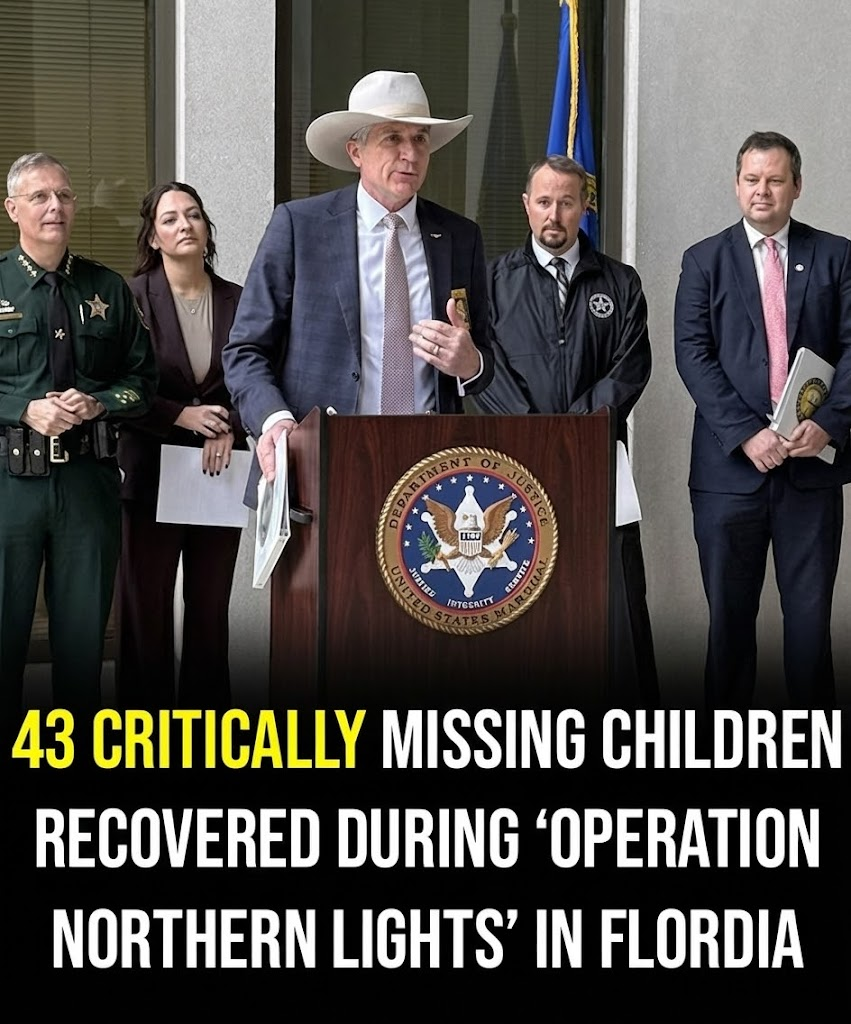
One by one, children were located. Some were found miles from home. Others were discovered hiding in plain sight. A few cases involved runaways. Others involved complex family situations, exploitation concerns, or dangerous circumstances that required careful intervention. Each recovery came with its own story, but all shared one thing in common — relief that words can’t fully capture.
Authorities have now confirmed that all 43 children reported as critically missing have been found. The announcement carried weight far beyond numbers. It meant parents finally holding their children again. It meant siblings hearing familiar voices. It meant bedrooms no longer standing empty. For families who had spent weeks or months living between hope and heartbreak, it was the moment they had been praying for.
The recoveries didn’t happen overnight, and they didn’t happen by chance. They involved coordinated efforts between law enforcement, child protection units, advocacy organizations, and community tips. In several cases, public awareness played a role — shared photos, reported sightings, and people willing to speak up when something felt wrong. Quiet vigilance, not panic, made the difference.
Still, officials have been careful to remind the public that finding a child is only the first step. Many of the children will need medical care, emotional support, and long-term protection. Trauma doesn’t disappear the moment someone is found. Families now face the work of healing — processing fear, rebuilding trust, and finding a sense of normalcy after living in survival mode.
What makes this moment resonate so deeply is how rare it feels to receive good news on this scale. Stories of missing children often end in uncertainty, lingering questions, or devastating loss. This time, the outcome was different. Against the odds, every family received the call they had been waiting for. Every child was located alive. In a world that often feels overwhelmed by tragedy, this became a rare reminder that persistence, cooperation, and compassion still matter.
For now, families are doing the simplest and most powerful thing imaginable: holding their children close. No headlines. No speeches. Just relief, tears, and gratitude. And while the work continues to ensure these children remain safe, this moment stands as something worth acknowledging — a collision of heartbreak and hope that ended with lives reunited.